


The deepening interconnection between state management data systems is making each information about the tax code an important "link", directly affecting the operation of businesses and taxpayers. From that practice, the fact that localities, including Ho Chi Minh City. Ho Chi Minh City, implementing the campaign "Cleaning tax codes - Removing bottlenecks in business" not only stops at standardizing tax data, but also aims to enhance transparency and minimize problems arising in the process of business activities.
Talking to Vietnam Cybersecurity Magazine, Managing Partner Nguyen Van Phuc, representative of HM&P Law Firm ("HM&P"), shared about the significance of the campaign, legal issues to be noted in the review process as well as solutions to ensure the legitimate rights and interests of taxpayers.
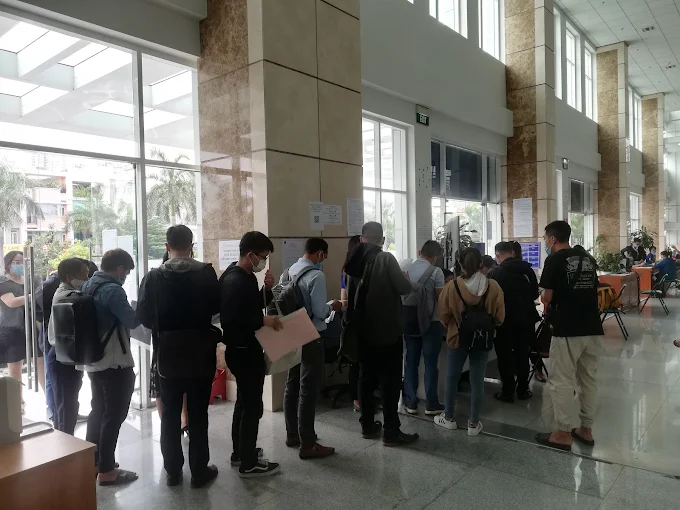
Source: Google Images
Tax ID cleanup is the step of standardizing background data
According to Lawyer Phuc, the campaign was implemented at the right time when Vietnam is promoting national digital transformation and building shared databases. Tax data is now not only used exclusively for tax administration but is increasingly connected to systems on population, business registration, social insurance, customs, banking and many other management fields. Therefore, a false information can entail effects on declaration, tax refund, investment procedures, bank account opening, bidding or access to credit.
The tax of Ho Chi Minh City. Ho Chi Minh City establishes a permanent department to receive feedback and denunciations, which also shows that the campaign not only aims to review data but also establishes a mechanism to detect and overcome arising errors. Lawyer Phuc said:
"An accurate data system accompanied by an effective error correction mechanism will contribute to reducing legal risks for taxpayers and strengthening the transparency of the investment and business environment."
Ensuring the interests of taxpayers during the review process
The data cleaning process needs to clearly distinguish cases with signs of violation from cases where information has not been updated or objective errors arise. Before making a decision that may affect the legal status of the tax identification number, the verification needs to be carried out fully and the taxpayer needs to have the opportunity to explain, supplement the dossier or exercise the right to complain when there is a mistake.
For enterprises determined to be not operating at the registered address, it is necessary to actively work with the tax authority, provide documents proving the actual operation or update the address as prescribed. In case it has ceased operation but has not completed the procedures for invalidating the tax code, the enterprise needs to review the outstanding obligations and fully carry out the necessary procedures. If an individual detects that information is illegally used to register a business or tax identification number, it is necessary to promptly work with the business registration agency or tax authority and consider reporting to the police when there are signs of forgery.
Proactively review to limit risks
From the perspective of businesses, Lawyer Phuc recommends that taxpayers should actively check the consistency between business registration and tax registration information, including the address of the head office, legal representative and operation status; at the same time, keep sufficient records proving the actual operation to promptly explain when necessary.
On the other hand, tax authorities also need to strengthen comparison with national databases before making conclusions, creating conditions for taxpayers to explain and publicize the process, deadline as well as handling points. In particular, when data is increasingly shared between many agencies, the exploitation and use of information must ensure the right purpose, the right authority, and comply with the requirements of personal data protection and information security.
At the end of the discussion, Lawyer Phuc emphasized that "cleaning the tax code" should not be considered a short-term campaign but should become a mechanism for updating and standardizing data regularly. When the data system is maintained accurately and the mechanism for handling deviations is implemented transparently, the efficiency of tax administration will be improved, and at the same time contribute to minimizing problems for taxpayers and creating a more favorable environment for investment and business activities.
Read more: Làm sạch mã số thuế: Gỡ “điểm nghẽn” cho doanh nghiệp


